Polypropylene Biaxial Geogrid for Highway Project in Germany
Case · 2025-10-30 · 0 views
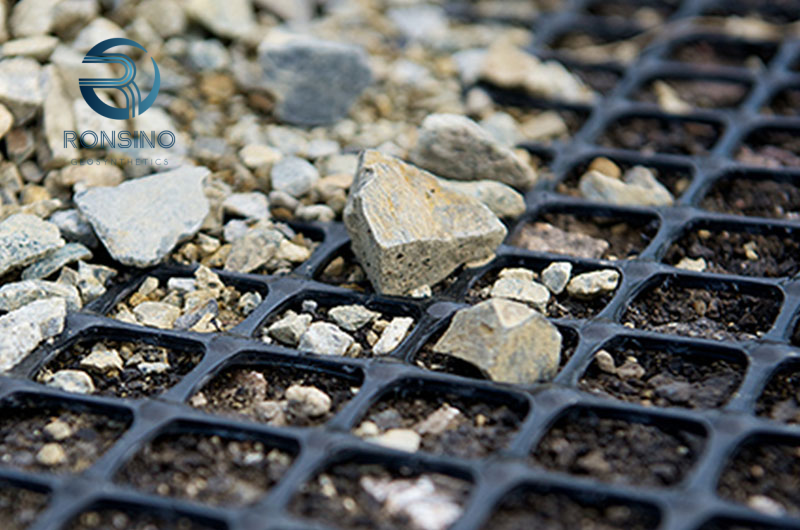
RONSINO is China's leading high-performance geogrid manufacturer. We use advanced polymer processing technology to produce high-quality bidirectional geogrids with excellent tensile properties in both vertical and horizontal directions, which can optimize soil load transfer and enhance foundation reinforcement. Designed specifically for heavy-duty engineering, this product performs reliably in large-scale permanent foundation reinforcement projects, providing strong load-bearing capacity and long-term structural integrity under harsh conditions.
Biaxial stretching realigns polymer chains, strengthening bonds and material durability. Carbon black and additives enhance resistance to chemicals and UV. Precision heating and stretching optimize molecular structure, improving mechanical properties. Anti-aging components ensure longevity. Quality control ensures consistent strength. UV stabilizers provide weather resistance while maintaining flexibility. This version is highly condensed yet retains all essential points. Let me know if further refinement is needed.
Benefits
Plastic Biaxial Geogrid has the following advantages:
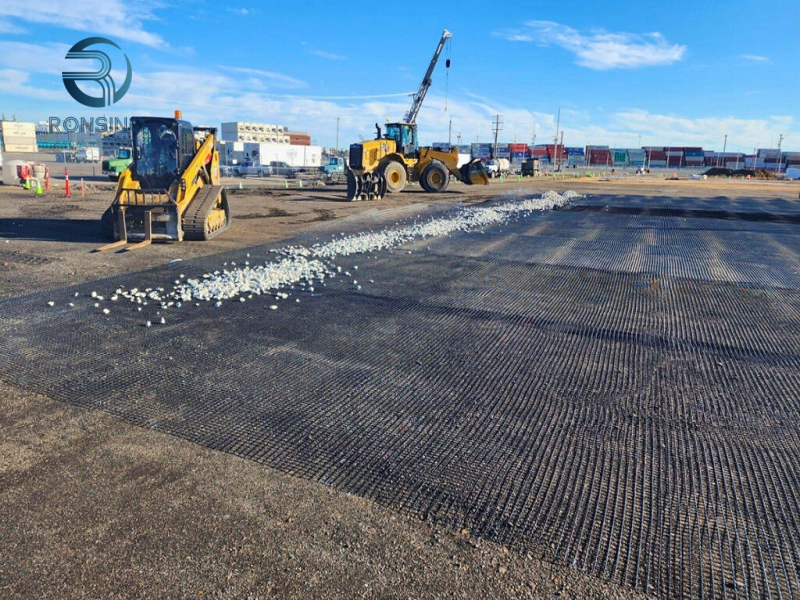
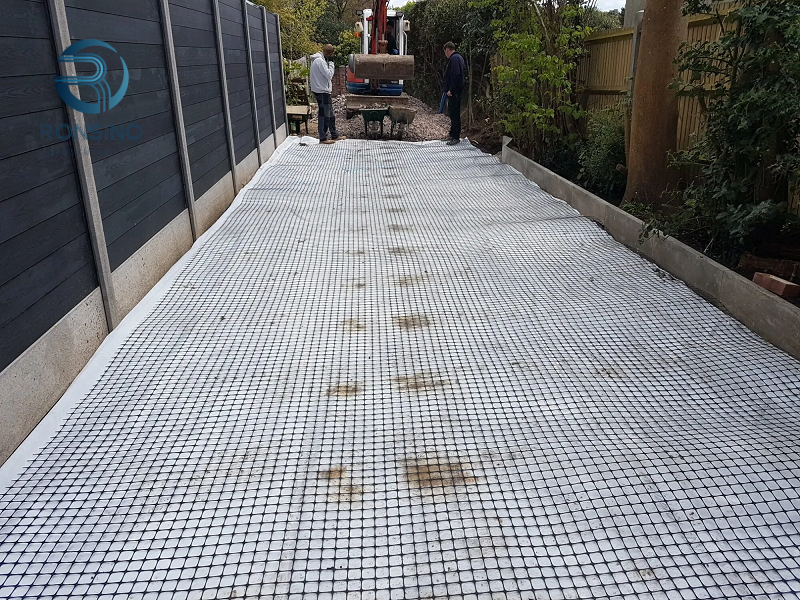
This material combines high strength, flexibility, lightweight durability, and long service life. These reinforced geosynthetic grids, with load-bearing capacities over 12kN/m, are made through precise thermoplastic extrusion or stamping into network patterns, followed by heat treatment and controlled stretching. This process aligns polymer chains, enhancing molecular orientation. The result is structural grids with tensile strengths of 100-200MPa and low elongation (4%-10%), similar to mild steel. Their robust lattice design makes them ideal for soil stabilization. Biaxial geogrids improve weak soils through dual reinforcement: tension resistance and soil confinement. Installed over compressible subgrades with aggregate layers, they prevent material mixing while enhancing mechanical interlock. This composite system boosts tension resistance, improving load-bearing performance in soft ground conditions.
The Polypropylene Biaxial Geogrid exhibits excellent frictional properties and superior tensile strength, allowing weak soil foundations to support substantial loads rapidly while significantly accelerating backfilling progress and shortening overall project timelines.
The economic advantages of employing biaxial geogrids include:
1.Lowering material specifications for fill operations
2.Reducing earthwork placement expenses
3.Decreasing compaction costs by enabling thicker soil layers with 4.fewer passes after reinforcement
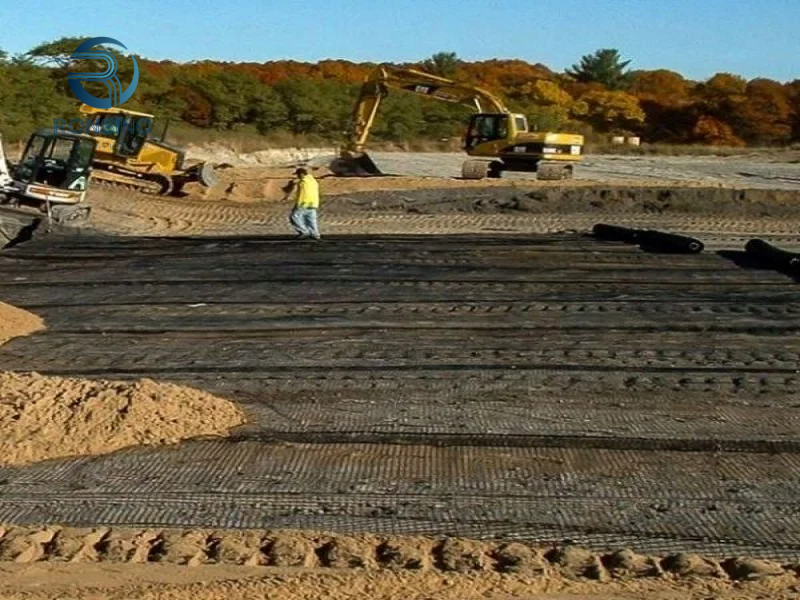
Enhancing Ground Stability: In regions characterized by loose or highly compressible soil layers, geosynthetic grids play a pivotal role in mitigating differential settlement—a frequent issue leading to pavement distortion and structural deterioration. By integrating these reinforcements during construction, engineers achieve superior load dispersion across the subgrade, effectively minimizing ground displacement disparities while significantly prolonging roadway durability.
Improve pavement performance: Geogrids can also improve the performance of highway pavement by reducing ruts and cracks, resulting in a smoother and safer driving experience.
In short, the use of Polypropylene Biaxial Geogrid on conditional soft soil foundations not only has wide adaptability in technical applications, but also has considerable economic benefits and broad application prospects.
Case Study
Location:Germany
Products:Plastic Biaxial Geogrid
Application:HighwayProject
Issue
As a powerful country in Central Europe, Germany attaches great importance to transportation infrastructure, especially its highways. Its complex terrain and changeable climate bring challenges to road construction and maintenance, so engineering technologies such as biaxial geogrids are crucial.Geogrids are becoming increasingly popular in German road construction because of their ability to create strong, environmentally friendly and economical transportation networks. Seasonal heavy rains in Germany can easily lead to foundation displacement, slope landslides and road damage. These hidden dangers not only affect the life of the road, but also endanger driving safety.
It is critical to mitigate these issues and extend the life of highways. As the best geogrid suppliers, we at RONSINO have received the above feedback from Thai customers on the current status of Germany’s roads and made an inquiry for the geogrid produced by RONSINO.
Solution
RONSINO develops advanced geogrids to enhance subgrade stability and address ground settlement in highway construction on soft soils. Our polymer grids distribute loads efficiently, reducing stress on subsoil layers.For Germany’s monsoon-prone slopes, we offer high-performance geosynthetics to stabilize hillsides and control erosion, ensuring long-term roadway integrity.In Thailand, we provided customized biaxial polypropylene grids (RN-3535 model) to combat pavement deformation, backed by site evaluations and proven tropical performance.Beyond products, we offer rapid prototyping, lab testing, and installation support—delivering tailored solutions for regional geological challenges. Our expertise fosters long-term global partnerships.
Specifications of polypropylene Biaxial Geogrid for Highway Project in Germany
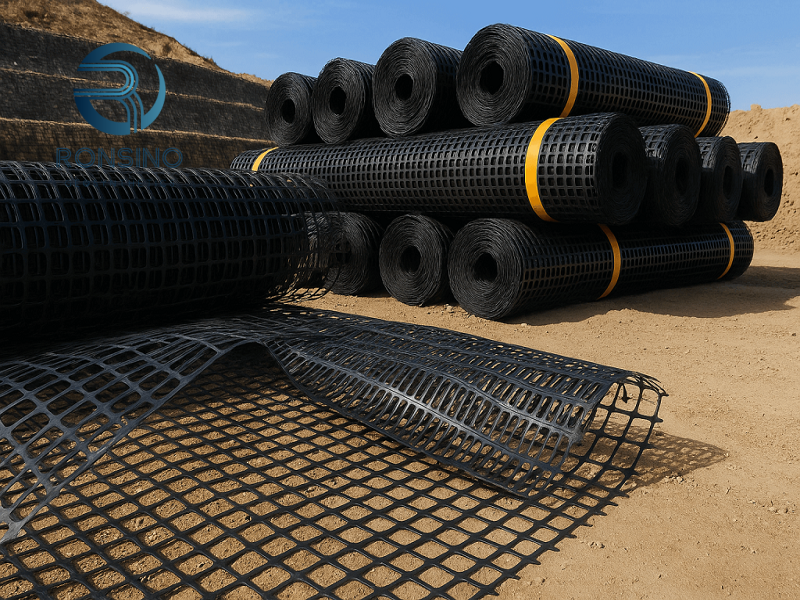
Total Plastic Biaxial GeogridQuantity – 150000 square meters
Specifications: Plastic Biaxial Geogrid BGSG35-35
5* 40HQ containers
Summary
The Plastic Biaxial Geogrid excels in strength, low elongation, and heat resistance. It reinforces highway asphalt layers and roadbeds, preventing cracks and reflective fissures while ensuring smooth integration. It also evenly distributes stress, extending road durability.
In Germany, bidirectional geogrids are widely used in highways, addressing construction challenges and enhancing safety, longevity, and cost-efficiency. Their performance makes them a sustainable solution for resilient road systems.