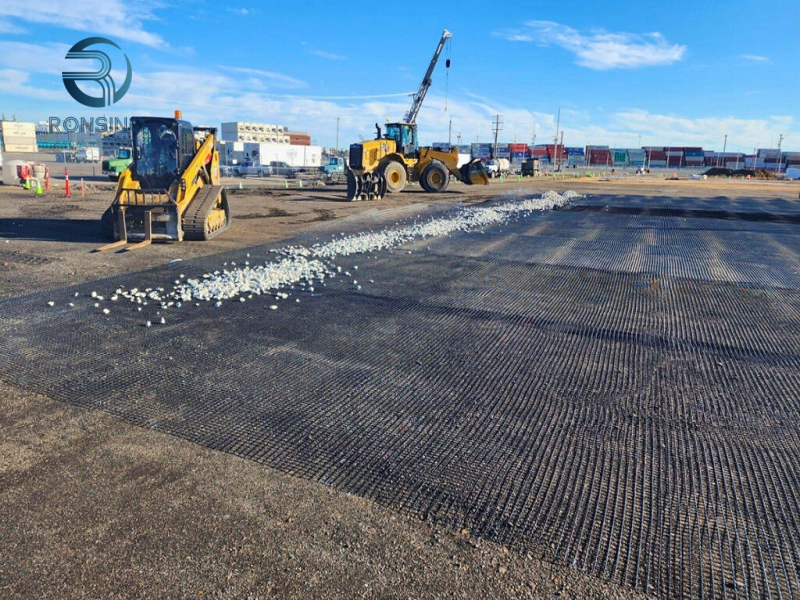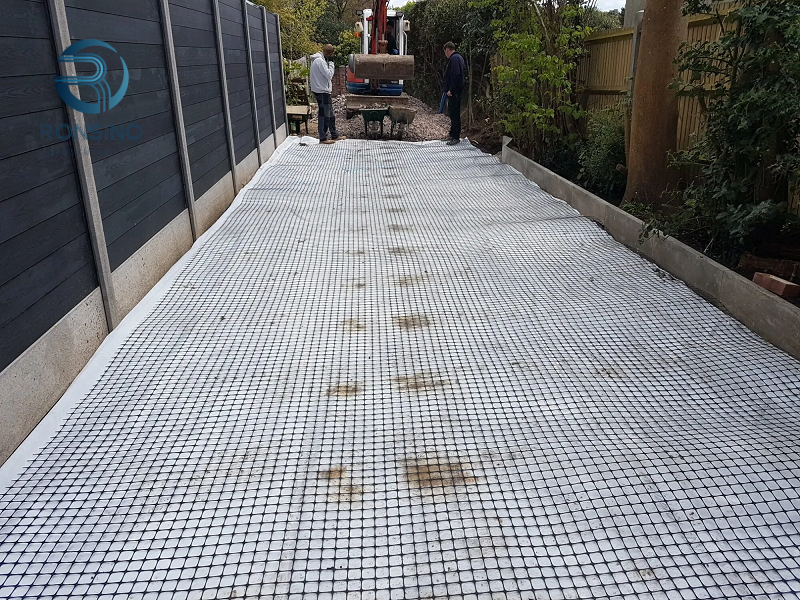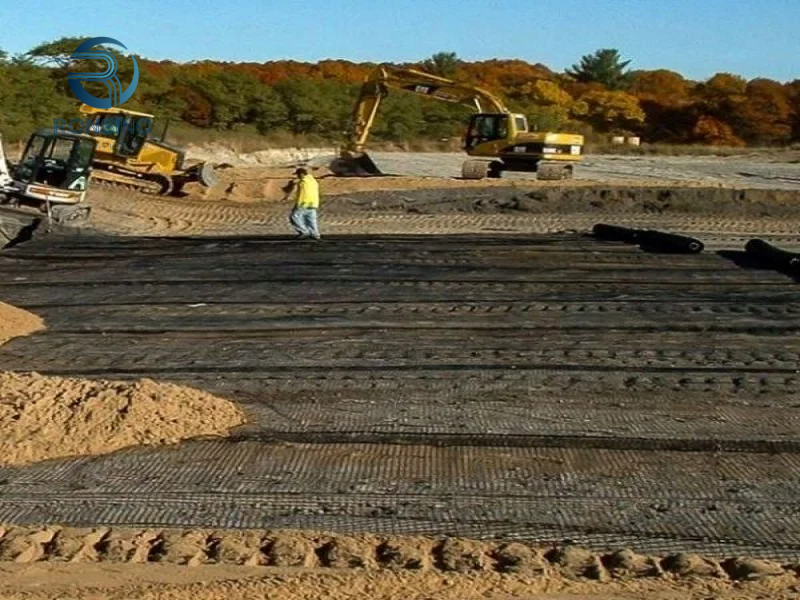
Biaxial HDPE Geogrid for Large Parking Lot in the Venezuela
Case · 2025-12-02 · 0 views
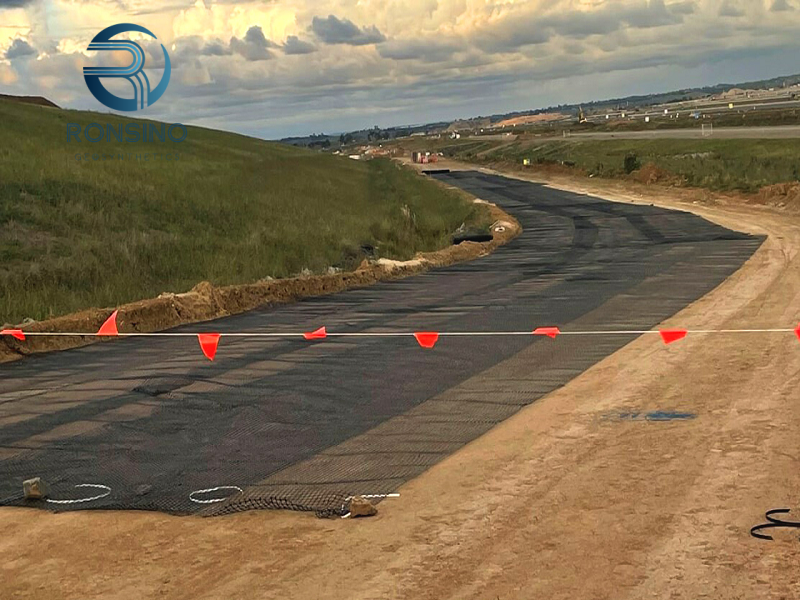
Case Study
Location: Venezuela
Product:20KN-20KN PP Biaxial HDPE Geogrid
Application: Large Parking Lot
The Difference Between the Application of PP Uniaxial Geogrid and PP Biaxial Geogrid
Conceptual differences. PP unidirectional plastic geogrid is made by extruding polymer into thin sheets, stamping them to form regular grids, and then stretching them longitudinally. This process enables the polymer to be oriented linearly arranged to form an elliptical network-like overall structure with uniform and high node strength, resulting in excellent tensile strength and modulus. PP bidirectional HDPE geogrid is made of high molecular polymer, which is extruded, plate formed and stamped, and then stretched vertically and horizontally in both directions. This two-way grating shows excellent tensile properties both vertically and horizontally. Its structure can effectively transmit and disperse soil stress, forming an ideal interlocking system and is suitable for large-area permanent foundations.
Issue
A Venezuela customer has a large parking lot that needs to purchase geogrids for foundation reinforcement. At present, customers are a little confused about PP Uniaxial Geogrid and PP Biaxial Geogrid, and it is unclear which one to choose.
Following extensive consultations and detailed discussions with clients, while distributing comprehensive product literature, imagery, fabrication visuals, and real-world project examples, clients came to understand that unidirectionally oriented polymer geogrids possess exceptional tensile force resistance and modulus values, whereas bidirectionally stretched polymer geogrids demonstrate equally impressive tensile strength and modulus characteristics. Beyond their substantial tensile capabilities in both primary and secondary axes, these geogrids deliver substantial support on unstable ground substrates and establish a cohesive, interlocked structural framework. Ultimately, the client opted to utilize polypropylene bidirectional geogrids for their project requirements.
Benefits
Due to its unique advantages, PP Biaxial HDPE Geogrid play a vital role in large parking lot projects.
The PP Biaxial HDPE Geogrid is used to increase the bearing capacity of the road (ground) foundation and prolong the service life of the road (ground) foundation.
The PP Biaxial HDPE Geogrid is used to prevent the road (ground) surface from collapsing or cracking, and keep the ground beautiful and tidy.
PP plastic biaxial geogrid is used for convenient construction, saving time and effort, shortening the construction period and reducing maintenance costs.
PP plastic biaxial geogrid is used to prevent cracks in culverts.
PP plastic geogrid is used to strengthen the soil slope and prevent soil erosion.
PP plastic biaxial geogrid is used to reduce the thickness of the cushion and save the cost.
PP Biaxial HDPE Geogrid is used to support the stable greening environment of the grass-planting mesh pad on the slope.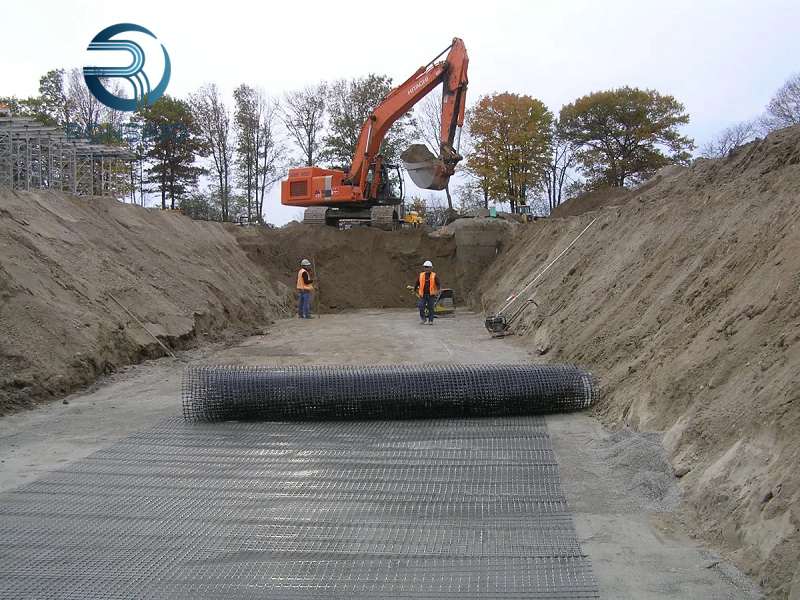
Summary
Biaxial plastic geogrid is a key geosynthetic material. Compared with other similar products, it has unique performance and significant application effects. Bidirectional geogrids are commonly used to reinforce reinforced soil structures or as reinforcements for composite materials. Based on differences in materials and processes, geogrids can be divided into four major types: plastic geogrids, steel-plastic composite geogrids, fiberglass geogrids and fiberglass polyester geogrids.
The Biaxial Geogrid is crafted from advanced polymeric materials via extrusion, followed by precise plate forming and specialized punching techniques, subsequently undergoing meticulous stretching in both vertical and horizontal orientations. This engineered material exhibits exceptional tensile capabilities along its primary and secondary axes. The resulting architecture delivers an unparalleled force distribution mechanism and facilitates optimal soil interlocking, making it perfectly suited for enduring, high-load bearing applications in extensive foundational stabilization systems.
In the production process of plastic geogrids, the polymeric macromolecules undergo realignment and orientation when subjected to thermal treatment and mechanical stretching, thereby enhancing the intermolecular bond strength and ultimately elevating the material's overall performance. The resultant material exhibits a significantly reduced elongation capacity, typically ranging from 10% to 15% compared to its initial unstretched state. Furthermore, the incorporation of anti-aging additives such as carbon black imparts exceptional durability characteristics to the geogrid, including superior resistance to acidic environments, alkaline conditions, corrosive substances, and prolonged aging effects.
Specifications of 20KN-20KN PP Biaxial HDPE Geogrid for Large Parking Lot in the Venezuela
Total quantity–22200 squares meters
· PP Biaxial HDPE Geogrid – 20KN-20KN
· Each roll size is 3.95m*50m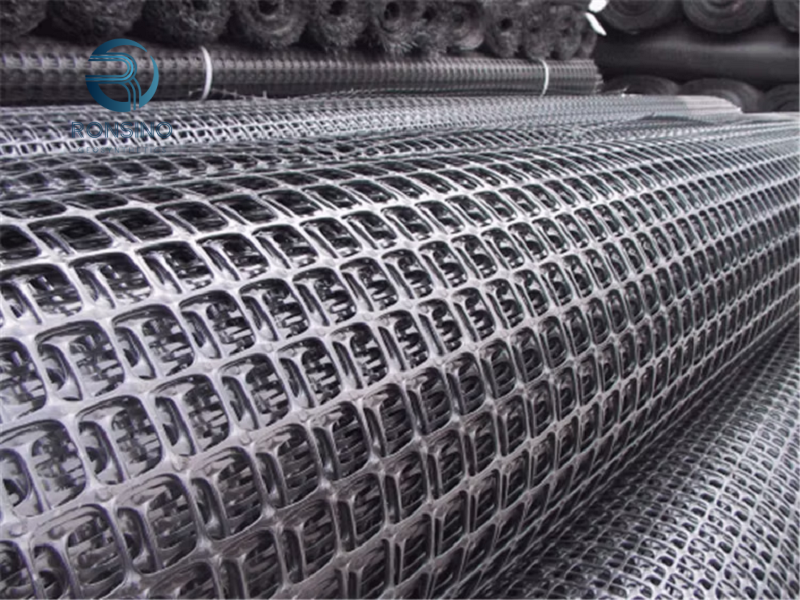
About RONSINO
If you have any questions or inquiries, please fill in and submit the form to contact us.