What is the Lifespan of a Geogrid?
Blog · 2026-02-02 · 0 views
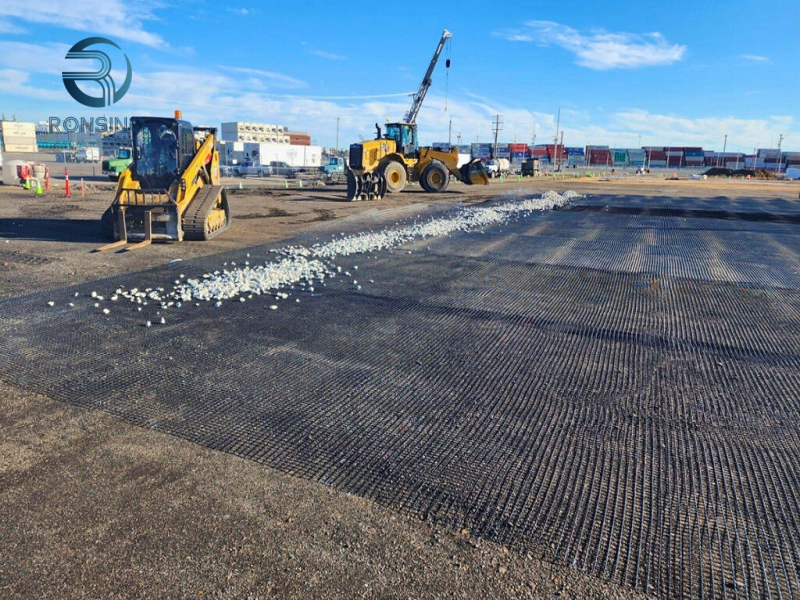
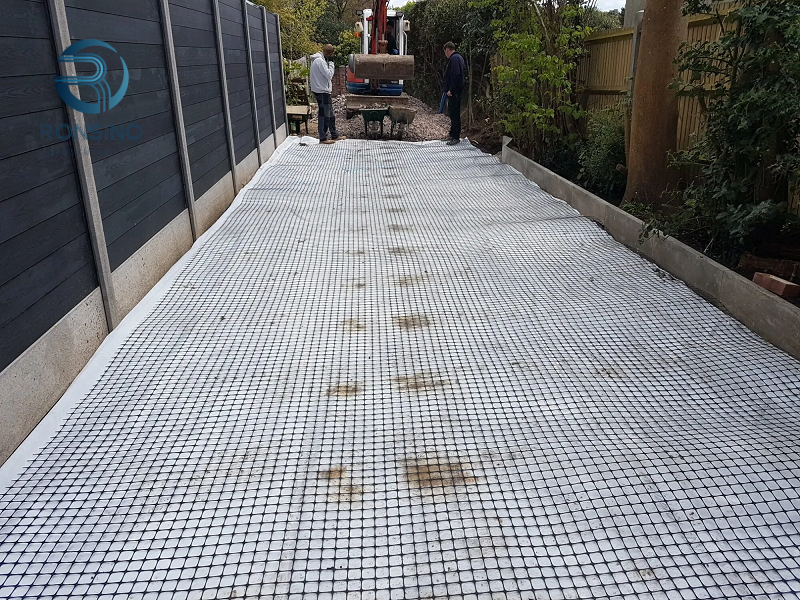
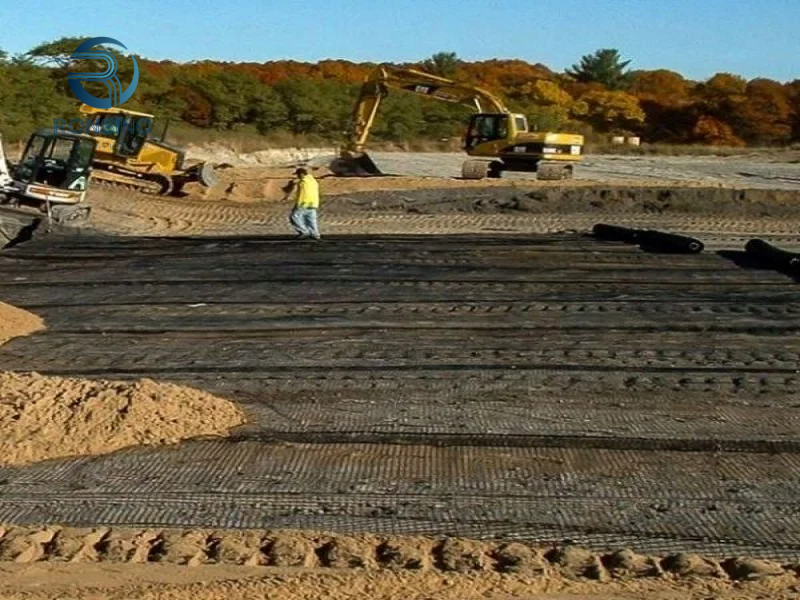
Facing infrastructure projects' needs for better durability and cost - effectiveness, geogrids are key in soil reinforcement for applications like road construction, retaining wall building, embankment and foundation work. This trend is driven by the need for long - lasting solutions to reduce maintenance costs and extend structure service lives. A major question for engineers, contractors, and project owners is: What's the expected lifespan of a Geogrid?
The service life of geogrids is 20 - 120 years, determined by material type, environmental exposure, installation quality and application details.Well - chosen high - quality geogrids buried in soil can perform reliably for 50 - 120 years with little degradation. This long service life gives them an edge over traditional reinforcement methods and can save on lifecycle costs as they need less frequent replacement or repair.
This comprehensive guide delves into the anticipated longevity of geogrids, the various factors that have an impact on it, common performance data based on different materials and applications, industry - set benchmarks, practical insights from real - life cases, and approaches to enhance durability to the fullest. Through a clear understanding of these aspects, you are able to make well - informed choices that guarantee the structural stability over several decades.
1.Understanding Geogrids
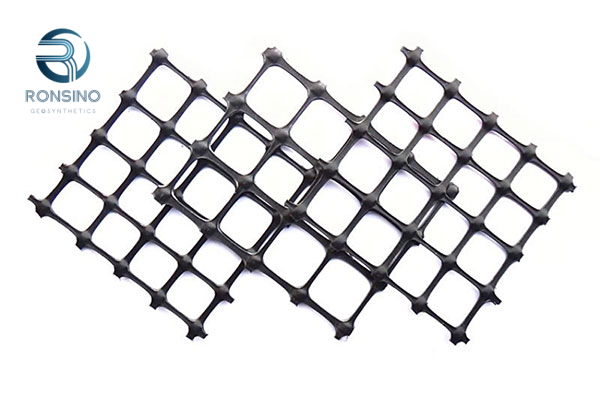
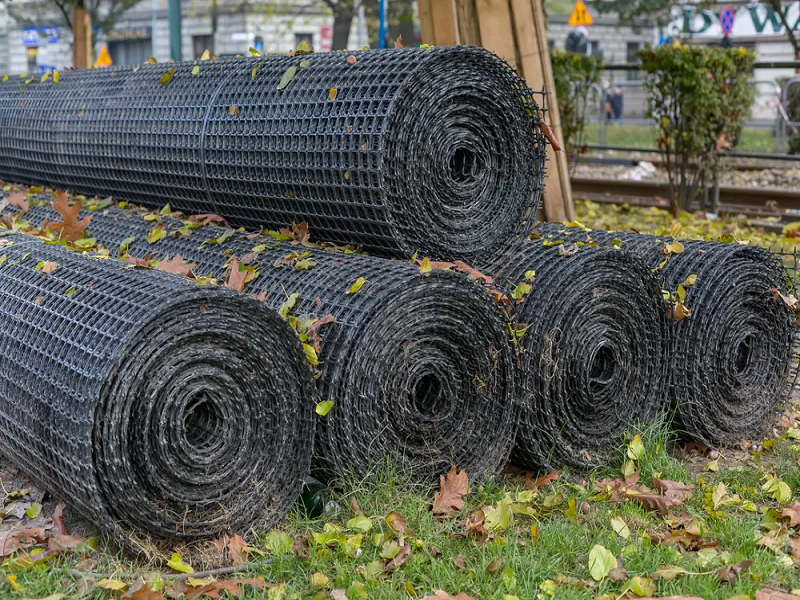
Geogrids are polymer - based grid - like frameworks mainly engineered for the tensile strengthening of soil and aggregate substances. In contrast to geotextiles that emphasize functions such as separation, filtration, and drainage, geogrids are highly proficient in interweaving with granular materials. This interlocking action helps in spreading out loads, enhancing the bearing capacity of the ground or structure, and effectively managing any deformation that might occur.
Key Types of Geogrids
Uniaxial Geogrids: Mainly offer high strength in one direction, with longitudinal tensile strength (ASTM D6637) of 50 - 200 kN/m. Ideal for retaining walls, slopes, and embankments to prevent erosion and enhance stability.
Triaxial Geogrids: Provide multi - directional reinforcement, with strength of 30 - 80 kN/m. Improve performance under complex loads in embankments and traffic areas, distribute loads evenly, and enhance durability.
Biaxial geogrids: Have balanced strength in two directions (20 - 60 kN/m). Used for road base stabilization, parking lots, and platforms to prevent ruts.
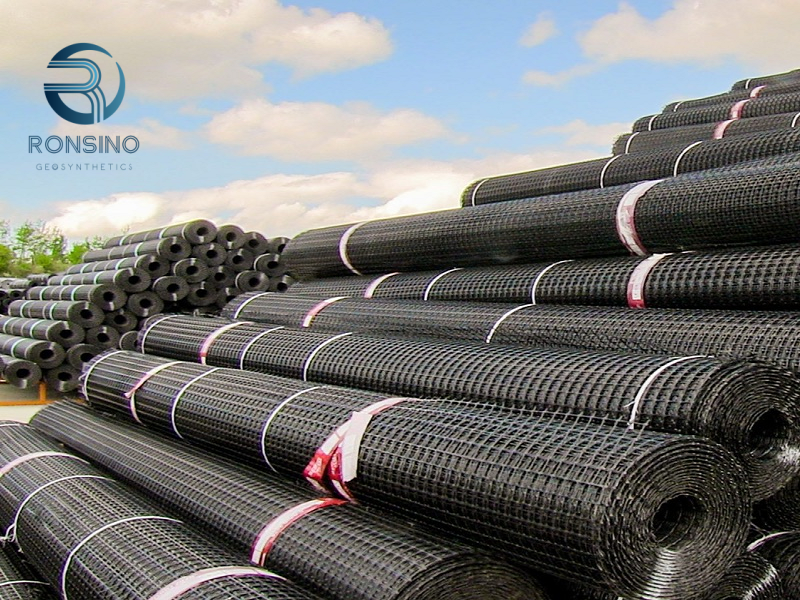
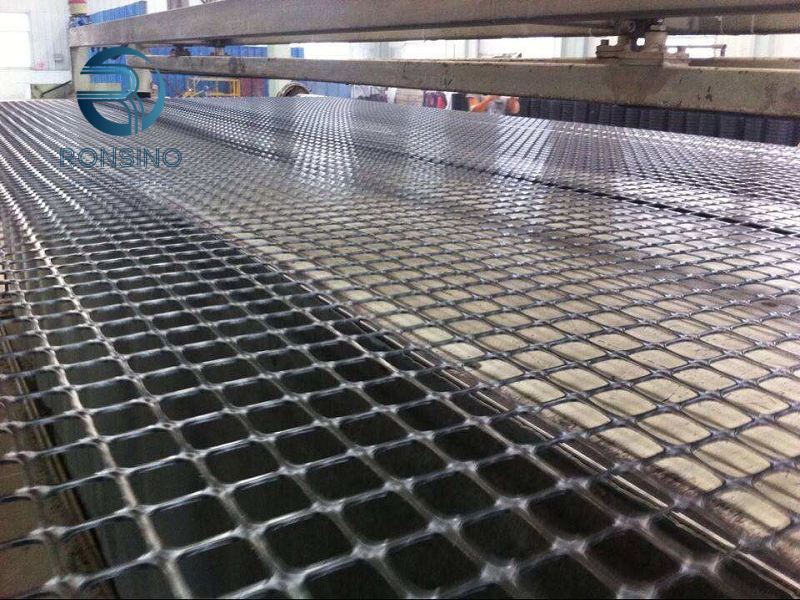
Common polymers are PP, HDPE, and PET. Geogrids have 20 - 50 mm apertures for soil interlocking and load transfer. Rib thicknesses vary by application. Junction efficiencies exceed 90% for effective soil reinforcement.
Primary Functions and Benefits
Geogrids Provide:
1.Tensile strengthening: Restrains soil particles, boosts soil mass shear resistance, and enhances ground structure stability against shearing forces.
2.Load spreading: Minimizes settlement and rut - formation on surfaces like roads by evenly distributing loads, preventing stress concentrations.
3.Foundation stabilization: Allows thinner aggregate layers in construction projects (e.g., road bases, building foundations), reducing material use, excavation, and haulage costs by 30% - 50% while ensuring long - term integrity.
4.Erosion prevention: Improves slope steadiness, useful in embankment protection near water bodies and under adverse weather to prevent landslides.
5.Long service life: When installed beneath structures, geogrids face low mechanical stress, are protected from sunlight, chemicals, and aging, making them ideal for long - term infrastructure.
2.Typical Lifespan of Geogrids
Industry data and testing indicate the following ranges:
Buried Applications(most common): 50–120 years for high-quality PP and HDPE geogrids.
Exposed Applications: 15–40 years, depending on UV stabilizers.
Specific Types:
PP Uniaxial: 50–120 years buried, 20–40 years exposed.
PP Biaxial: 40–100 years buried, 15–30 years exposed.
HDPE: 40–100 years buried, 15–35 years exposed.
PET: 30–80 years buried, 10–25 years exposed (with stabilizers).
Many manufacturers certify 75–120 year design lives using Arrhenius-based predictions for oxidation and creep.
3.Factors Influencing Geogrid Life Expectancy
The durability of geogrids varies significantly due to multiple interrelated factors. Understanding these factors allows for accurate selection and meticulous design.
3.1 Material Composition
The polymer base is the most critical determinant of longevity.
Polypropylene (PP)— Highly resistant to chemical degradation and biological attack, PP geogrids excel in neutral to mildly aggressive soils. Buried PP geogrids commonly achieve 50–120 years, while exposed ones last 20–40 years without adequate UV protection.
High-Density Polyethylene (HDPE)— Offers good durability in low-UV, neutral-pH environments, with buried lifespans of 40–100 years.
Polyester (PET)— Provides high initial strength but is more susceptible to hydrolysis in alkaline conditions; buried service life ranges from 30–80 years.
Additives such as carbon black (≥2%), UV stabilizers, and antioxidants significantly extend performance. For instance, PP geogrids with carbon black retain 70–90% strength after 500 hours of UV exposure per ASTM D4355.
3.2 Environmental Conditions
Exposure to elements accelerates degradation.
UV Radiation— The primary threat for exposed geogrids, causing 20–40% strength loss in 5–10 years without stabilizers. Buried geogrids avoid this entirely.
Chemical Exposure— Aggressive soils (pH <5 or >9) can shorten life by 10–20%. PP and HDPE resist most chemicals better than PET.
Temperature— Elevated temperatures (>40°C) increase oxidation rates by 15%. Creep becomes more pronounced in warm climates.
Moisture and Biological Factors— Minimal impact on synthetic polymers; biological degradation is negligible.
Burial depth of 300–500 mm typically shields geogrids, extending life to 50–120 years.
3.3 Application Type
Stress levels and exposure degrees vary by usage.
1.Road Base Stabilization: Buried with relatively low stress, service life is 50 - 120 years (AASHTO M288 - compliant). Soil cover provides
2.protection and support, reducing stress on materials.
Retaining Walls: Uniaxial geogrids in retaining walls have a 30 - 80 - year service life due to high tensile loads. Soil - induced pulling forces accelerate degradation.
3.Embankments and Slopes: Service life, 40 - 100 years, varies with soil cover thickness and applied loads. Thicker cover protects from environment; heavier loads cause faster wear.
3.4 Installation and Maintenance Quality
Substandard practices can reduce service life by about 15 - 20%. Insufficient overlaps or improper tensioning may displace components. Direct equipment traffic on exposed geogrid can tear it due to wheel or track pressure and friction. Regular inspections and proper compaction are key to maintaining system integrity, preventing failures and ensuring long - term stability.
4. Industry Standards and Testing for Long-Term Performance
Reliable durability assessment relies on standardized tests.
ASTM D4355— UV resistance (70–90% retention after 500 hours).
ASTM D5262— Creep rupture (for long-term strength).
ASTM D6992— Stepped isothermal method for creep.
ISO 13431— Creep resistance (<10% deformation after 1,000 hours at 60% load).
ASTM D6637— Tensile properties.
Long-Term Design Strength (LTDS)— Accounts for installation damage, creep, and durability reduction factors, often for 100–120 year design life.
These ensure geogrids maintain structural integrity over project durations.
5.Strategies to Maximize Geogrid Life Expectancy
To achieve the upper end of lifespan ranges:
5.1 Select the Right Material
Choose PP or HDPE with ≥2% carbon black and UV stabilizers for buried applications.
5.2 Optimize Design and Installation
Guarantee appropriate overlapping (a range of 1 to 3 feet, determined according to the subgrade conditions).
Apply tension force to get rid of any wrinkles that may appear.
Bury the material to a depth of at least 300 millimeters to protect it from the harmful effects of ultraviolet (UV) rays.
Utilize aggregates that are compatible with the existing materials to achieve a proper interlocking effect.
5.3 Implement Protective Measures
Add cover soil promptly and incorporate drainage to prevent saturation.
5.4 Conduct Regular Maintenance
Inspect for damage signs and closely monitor settlement during construction and initial service.
These procedures can extend the effective lifespan by 15 - 30 years.
6.Case Studies: Geogrid Longevity in Real-World Applications
Samples unearthed after 7 - 12 years show negligible degradation when buried underground. In road - stabilization, polypropylene (PP) biaxial geogrids retain over 90% of their original strength after decades. For retaining walls built with uniaxial geogrids in neutral soil, studies estimate they can function for 70 - 100 years. These cases prove that geogrid materials installed correctly can have service lives over 75 - 100 years.
7.Recent Research and Innovations
Nano - additives have made significant progress in enhancing oxidation resistance, potentially extending lifespan by 10 - 20 years compared to traditional materials. Creep models for predicting long - term deformation under stress have also improved.
Recycled polymers offer sustainable long - lasting performance, reducing waste and creating durable products.
Arrhenius modeling effectively estimates the lifespan of polypropylene (PP) geogrids, predicting over 120 - year service life under normal conditions, indicating excellent long - term stability and reliability.
8.Conclusion
The service life of geogrids is 20 - 120 years. Buried, high - quality polypropylene (PP) or high - density polyethylene (HDPE) geogrids can last 50 - 120 years. Material choice, environmental protection consideration, and installation quality determine geogrid longevity. When engineers follow industry standards in geogrid - related design and construction, they can ensure long - term stability and cost - efficiency of geogrid - supported structures.
For project - specific advice, consult experienced geosynthetics suppliers to optimize geogrid performance.
Any questions or inquiries, please contact RONSINO Geosynthetics (RONSINO Geogrid).