What is the Cost Of Geogrids Retaining Wall?
Blog · 2025-10-25 · 0 views
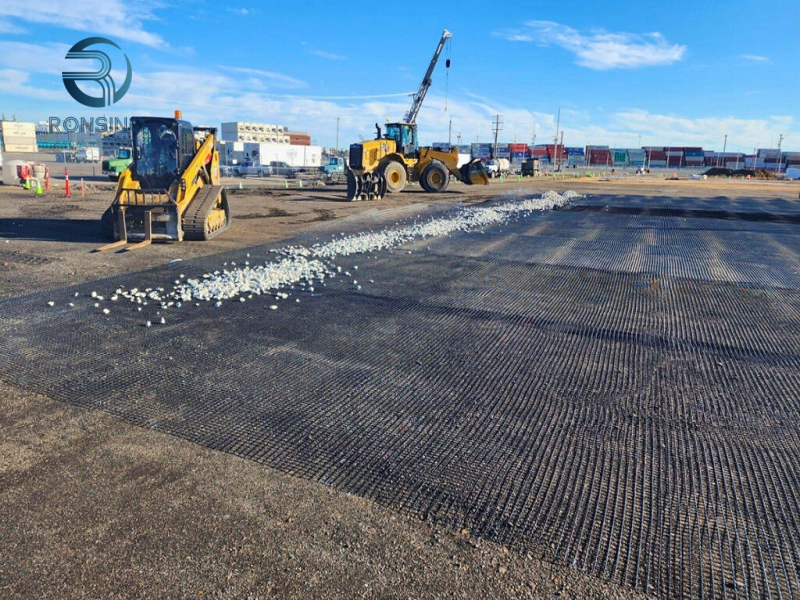
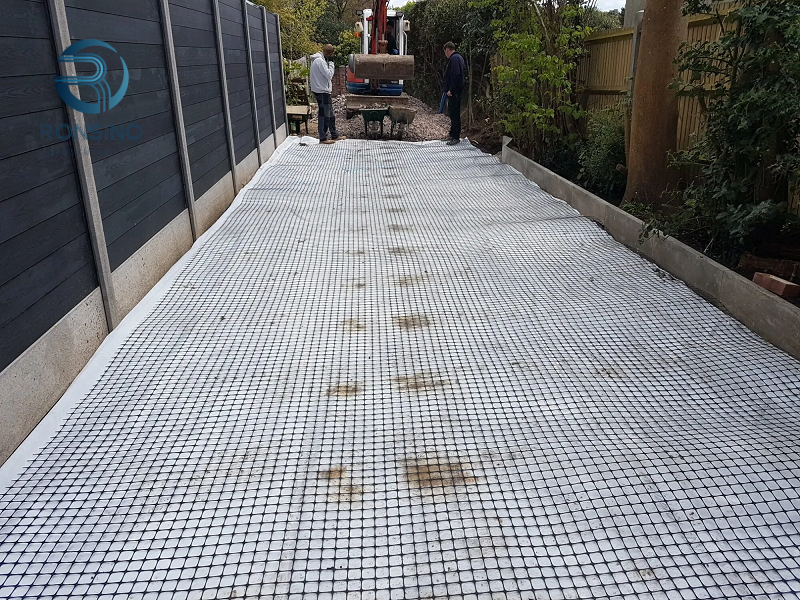
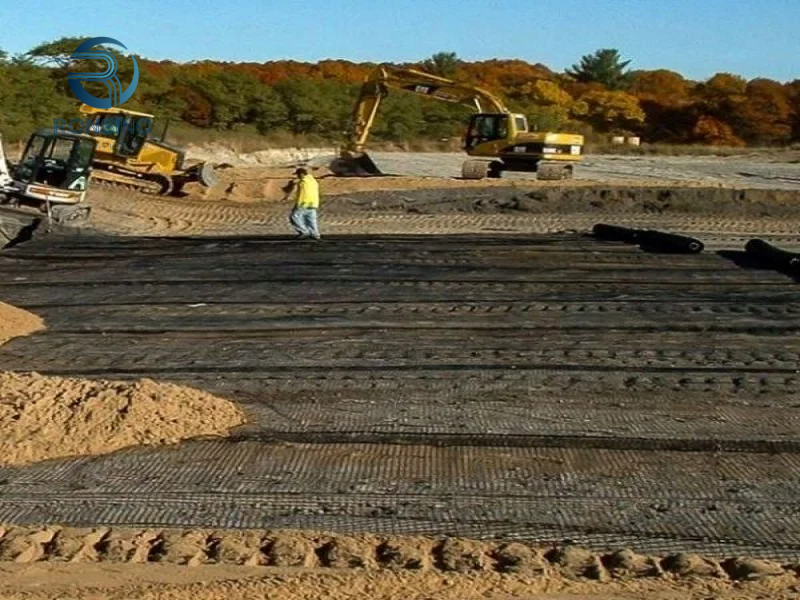
Geogrid retaining systems are a fundamental component of modern civil engineering and landscape architecture, providing strong and durable structures for projects ranging from private outdoor spaces to large public works. The system uses geosynthetics to reinforce soil, allowing for taller, more resilient and more cost-effective structures than traditional construction methods. For project stakeholders such as designers, construction experts and real estate developers, a full understanding of the investment costs of such systems is critical to balancing budgets with structural reliability. This article delves into the factors that influence its economics, provides a detailed cost baseline, and makes practical recommendations to effectively support project planning and implementation.
1.Factors Influencing Geogrid Retaining Wall Costs
The expense associated with a geogrid-supported earth retention system is influenced by a range of variables, such as the category of materials employed, the magnitude of the undertaking, the characteristics of the location, and the specific demands of the assembly process. Following this, we analyze the primary components that shape the total financial outlay.
1.1 Geogrid Material and Type
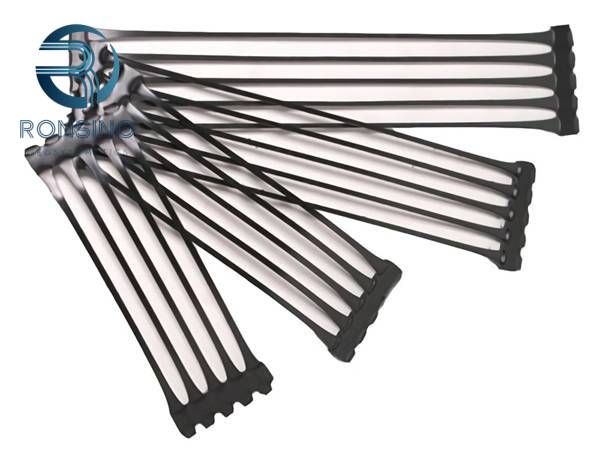
Geogrids come in different types—uniaxial, biaxial, and triaxial—each designed for specific applications and offering varying tensile strengths. The material and type significantly impact the cost.
Uniaxial Geogrids:Designed for applications like retaining walls, these provide high tensile strength in one direction (up to 200 kN/m). Prices range from $0.50 to $2.50 per square meter, depending on strength and brand.
Biaxial Geogrids:Offering balanced strength in two directions, these cost $1.00–$3.50 per square meter and are suitable for road construction and ground stabilization (20–100 kN/m).
Triaxial Geogrids:Advanced multi-directional reinforcement for complex projects, priced at $1.50–$5.00 per square meter due to enhanced load distribution.
Material composition also affects pricing:
HDPE:$0.50–$3.00/m², highly resistant to chemicals but less flexible.
Polypropylene (PP):$0.80–$3.50/m², lightweight and versatile.
Polyester (PET):$1.00–$4.00/m², ideal for high-tensile applications with excellent creep resistance.
Choosing the right geogrid depends on your project’s specific requirements, such as soil type and wall height, which we’ll discuss further below.
1.2 Wall Height and Geogrid Layers
The height of the retaining wall determines the number of geogrid layers needed, directly impacting material costs. Walls taller than 3–4 feet typically require geogrid reinforcement to ensure stability. For example:
Walls up to 10 feet may require 3–5 layers of uniaxial geogrid, with each layer extending 60–70% of the wall height into the backfill.
Walls over 10 feet may need stronger geogrids (e.g., 5 Series) and more layers, increasing costs.
Each layer adds to the material cost, with an average of $0.50–$5.00 per square meter per layer, depending on the geogrid type. Taller walls also require longer geogrid lengths, further increasing expenses.
1.3 Soil Conditions
Soil composition determines geogrid specifications and cost. Granular soils with friction angles ≥32° require more reinforcement, while clays (friction angles ≥27°) require less reinforcement. Unfavorable conditions such as high viscosity content or poor drainage require increasing the number of grating layers or increasing the tensile strength, thereby increasing costs. Professional geotechnical assessment can optimize grid parameters and avoid overly conservative designs to reduce expenses.
1.4 Installation and Labor Costs
Labor costs vary based on project complexity, location, and contractor expertise. Installing a geogrid retaining wall involves:
Site Preparation:Excavation, leveling, and compacting the base can cost $5–$15 per square foot, depending on site conditions.
Geogrid Installation:Precise placement and tensioning of geogrid layers require skilled labor, adding $2–$5 per square foot.
Backfill and Compaction:Proper backfill material (e.g., gravel or recycled concrete aggregate) and compaction equipment can cost $10–$30 per cubic yard.
Using local or recycled backfill materials can reduce costs by up to 30–50% compared to imported materials.
1.5 Retaining Wall Blocks or Facing
The facing material, such as concrete blocks, natural stone, or gabions, impacts both cost and aesthetics. Common options include:
Concrete Blocks:$5–$15 per square foot, durable and widely available.
Natural Stone:$15–$30 per square foot, offering a premium aesthetic but higher cost.
Gabions:$10–$20 per square foot, flexible and ideal for drainage-heavy applications.
The choice of facing material should align with the project’s aesthetic and functional requirements, balancing cost and performance.
1.6 Drainage Systems
Effective drainage systems are essential to mitigate hydrostatic pressure accumulation, which may lead to structural wall deterioration. A drainage blanket, consisting of a 12-inch thick layer of purified gravel enveloped in geotextile material, typically ranges from $5 to $10 per square foot in expense. Supplementary drainage channels or extra gravel strata could incur an additional $2 to $5 per linear foot of installation. Robust drainage solutions significantly decrease prolonged upkeep expenditures by curbing soil erosion and settlement-related complications.
1.7 Environmental and Site Conditions
External conditions, such as UV radiation, repeated freezing and thawing, and seismic events, significantly affect geogrid selection and cost. Grilles made of UV-resistant coating or PVC are 10-20% more expensive, but more durable; earthquake-prone areas require stronger grilles and additional reinforcements, which increase material costs by 15-25%; steep terrain or restricted areas require special equipment or customized solutions, and the installation fee increases by $5-10 per square foot.
2.What is a Geogrid Retaining Wall?
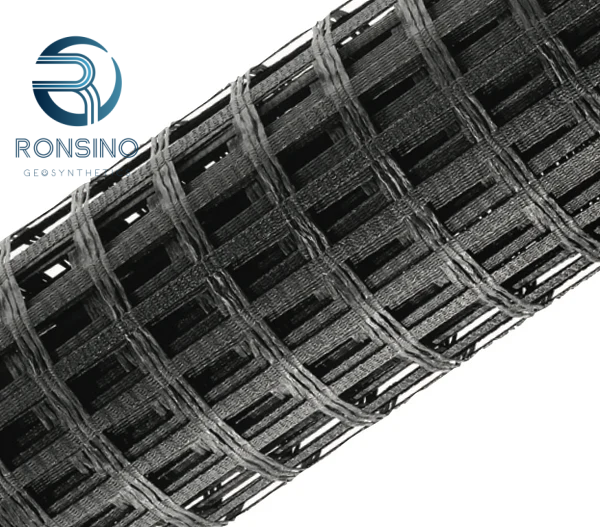
A geogrid-supported embankment is an engineered framework engineered to stabilize earth at a slanted orientation, extensively applied in landscape architecture, roadway engineering, and urban planning initiatives. Geogrids, fabricated from advanced synthetic resins such as high-density polyethylene (HDPE), polypropylene (PP), or polyester (PET), are positioned in parallel strata between successive wall segments, extending deeply into the ground to form a reinforced composite system. This reinforcement fortifies the structure’s capacity to counteract horizontal soil forces, enabling the construction of elevated profiles, optimizing stress dispersion, and minimizing potential instability risks.
The market value of the global geogrid industry will be approximately US$1.29 billion in 2023, and is expected to increase to US$1.97 billion in 2032, with an average annual compound growth rate of 4.7%. This expansion reflects the growing demand for geogrids in civil engineering projects amid increasing urbanization and the spread of environmentally friendly construction methods. An in-depth understanding of relevant financial factors can help stakeholders make strategic decisions to optimize capital allocation and improve overall project effectiveness.
3.Geogrid Retaining Wall Cost Breakdown
To provide a clear picture, let’s break down the cost of a typical geogrid retaining wall project. The following estimates are based on a 100-square-foot, 5-foot-tall wall with uniaxial geogrid reinforcement, standard concrete blocks, and average site conditions.
Component | Cost Range | Estimated Cost (100 sq ft) |
Geogrid Material (3 layers, 4 ft long) | $0.50–$2.50/m² | $150–$750 |
Concrete Blocks | $5–$15/sq ft | $500–$1,500 |
Site Preparation | $5–$15/sq ft | $500–$1,500 |
Installation Labor | $2–$5/sq ft | $200–$500 |
Backfill Material | $10–$30/cubic yard | $300–$900 |
Drainage System | $5–$10/sq ft | $500–$1,000 |
Total | $27.50–$77.50/sq ft | $2,150–$6,150 |
Total Cost Range: $2,150–$6,150 for a 100-square-foot, 5-foot-tall wall, or $21.50–$61.50 per square foot.
Costs can vary significantly based on project specifics. For example, using recycled concrete aggregate as backfill can reduce costs by 10–30%, while premium natural stone facing can increase costs by 20–50%.
4.Cost Comparison: Geogrid Retaining Walls vs. Traditional Methods
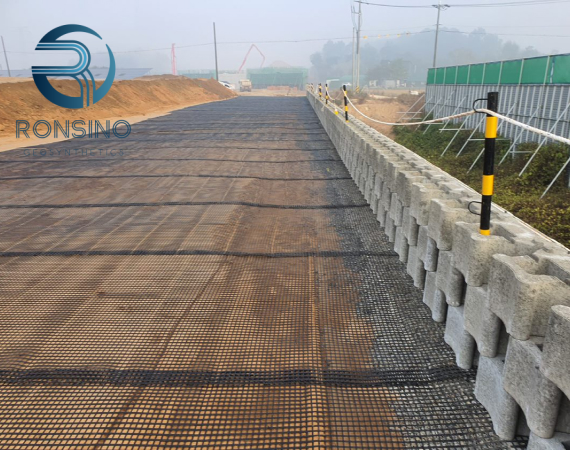
Geogrid retaining walls are often more cost-effective than traditional cast-in-place concrete walls, which require extensive labor, massive footings, rebar, and poured concrete. Here’s a comparison:
Geogrid Retaining Walls:$20–$60 per square foot, including materials and labor. Benefits include reduced excavation, faster installation, and flexibility with backfill materials.
Cast-in-Place Concrete Walls:$50–$100 per square foot, due to higher material and labor costs. These walls are more durable but less flexible and require deeper foundations.
Geogrid walls can save up to 75% on construction costs and halve build times compared to traditional concrete walls, making them a popular choice for budget-conscious projects.
5.Geogrid Specifications and Parameters
Selecting the right geogrid involves understanding key specifications and parameters to ensure optimal performance and cost-efficiency. Below are the critical factors to consider:
5.1 Tensile Strength
Tensile strength, measured in kN/m, determines the geogrid’s ability to withstand lateral earth pressures. Common ranges include:
Uniaxial: 20–200 kN/m, ideal for retaining walls.
Biaxial: 20–100 kN/m, suitable for road bases and stabilization.
Triaxial: 30–150 kN/m, for complex load distribution.
Higher tensile strength geogrids cost more but allow for fewer layers, potentially reducing overall costs.
5.2 Aperture Size
The dimensions of the geogrid’s apertures (ranging from 10 to 100 millimeters) significantly influence the degree of soil interlock. More expansive apertures are ideally suited for coarse-grained soil types, whereas smaller mesh configurations demonstrate superior performance when integrated with fine-grained soil matrices. An optimally selected aperture dimension facilitates efficient soil stabilization, thereby diminishing the necessity for supplementary stratification.
5.3 Material Durability
Geosynthetic reinforcements, designed for long-term durability against environmental stresses, maintain structural integrity for over 50 years. Though initially 10–20% costlier, they reduce long-term maintenance expenses.
5.4 Installation Specifications
Proper installation is critical to maximize geogrid performance and minimize costs. Key guidelines include:
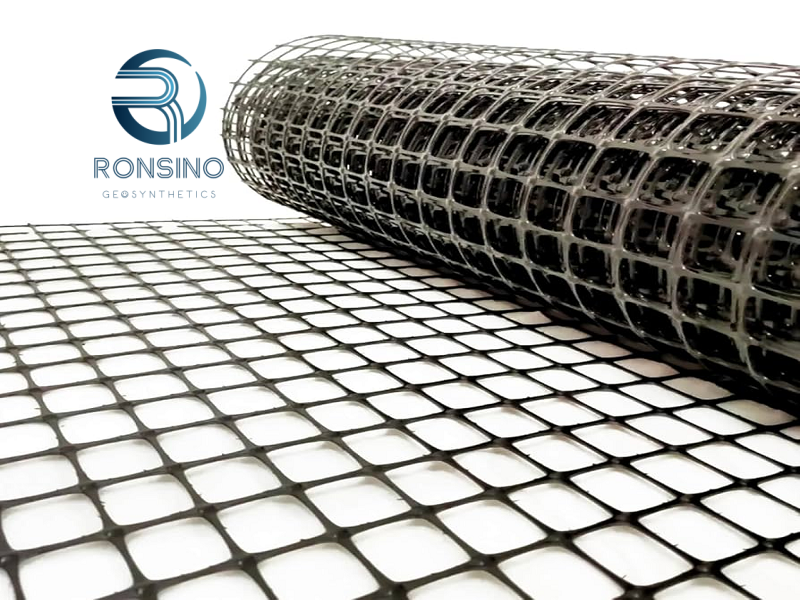
Embedment Length:Geogrid should extend 60–70% of the wall height into the backfill (e.g., 3–3.5 feet for a 5-foot wall).
Layer Spacing:Typically 8–24 inches vertically, depending on wall height and load conditions.
Compaction:Infill soil should be compacted in 8-inch lifts to 95% Standard Proctor Density, using hand-operated equipment within 3 feet of the wall face.
Orientation:Geogrid strength direction should be perpendicular to the wall face for optimal load resistance.
Following these specifications ensures structural integrity and prevents costly repairs due to improper installation.
6.Cost-Saving Tips for Geogrid Retaining Walls
While geogrid retaining walls are cost-effective, strategic planning can further reduce expenses without compromising quality. Here are actionable tips:
Use Local or Recycled Backfill:Locally sourced or recycled concrete aggregate can save 10–30% on backfill costs.
Optimize Geogrid Selection:Conduct a soil analysis to determine the minimum number of layers and tensile strength required, avoiding over-engineering.
Choose Cost-Effective Facing:Concrete blocks or gabions are more affordable than natural stone while maintaining durability.
Hire Experienced Contractors:Skilled contractors ensure proper installation, reducing the risk of costly repairs. Ask about their experience with geogrid projects and request references.
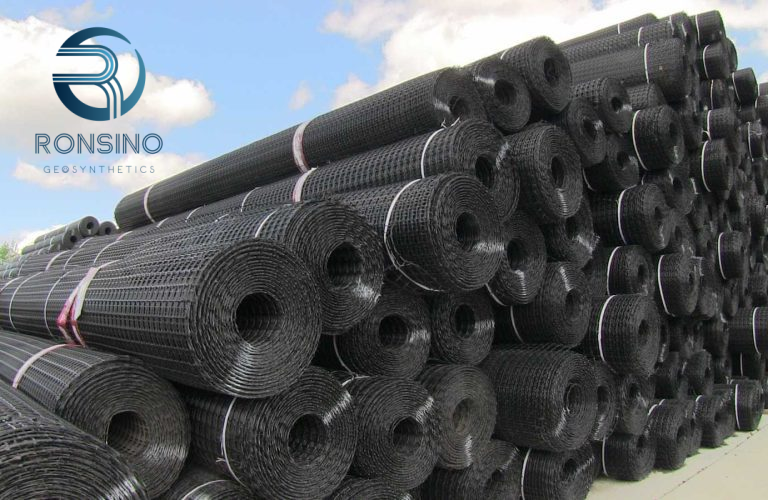
Bulk Purchasing:Buying geogrid in bulk can reduce material costs by 5–15%.
Plan for Drainage:Investing in a proper drainage system upfront can save significant maintenance costs by preventing erosion and settlement.
7.Long-Term Benefits of Geogrid Retaining Walls
While initial costs are a key consideration, the long-term benefits of geogrid retaining walls make them a worthwhile investment:
Durability:High-quality geogrids resist degradation, offering lifespans of 50+ years with minimal maintenance.
Cost Savings:Reduced foundation requirements and faster installation lower overall project costs.
Flexibility:Geogrids allow for steeper slopes and taller walls, maximizing usable land in constrained spaces.
Environmental Impact:Using recycled materials and less concrete reduces the environmental footprint.
Aesthetic Versatility:Various facing options, from concrete blocks to vegetated slopes, enhance project aesthetics.
These benefits contribute to lower lifecycle costs, making geogrid retaining walls a cost-effective choice for long-term stability and performance.
8.Case Studies: Real-World Geogrid Retaining Wall Costs
To illustrate the cost dynamics, let’s examine two hypothetical case studies based on common project scenarios.
Case Study 1: Residential Landscaping Project
Project Details: A 4-foot-tall, 50-square-foot retaining wall for a residential garden, using uniaxial geogrid, concrete blocks, and local backfill.
Geogrid:2 layers, 3 feet long, $1.50/m² = $270
Concrete Blocks:$10/sq ft = $500
Site Preparation:$8/sq ft = $400
Installation Labor:$3/sq ft = $150
Backfill:$15/cubic yard = $225
Drainage System:$6/sq ft = $300
Total Cost:$1,845 ($36.90/sq ft)
Key Savings: Using local backfill and standard concrete blocks kept costs low, while proper drainage ensured long-term stability.
Case Study 2: Commercial Highway Embankment
Project Details: A 10-foot-tall, 200-square-foot retaining wall for a highway embankment, using 5 Series uniaxial geogrid, natural stone facing, and recycled concrete aggregate.
Geogrid:5 layers, 7 feet long, $2.50/m² = $3,250
Natural Stone:$20/sq ft = $4,000
Site Preparation:$12/sq ft = $2,400
Installation Labor:$4/sq ft = $800
Backfill:$12/cubic yard = $1,200
Drainage System:$8/sq ft = $1,600
Total Cost:$13,250 ($66.25/sq ft)
Key Savings: Recycled concrete aggregate reduced backfill costs by 20%, while high-strength geogrid minimized the number of layers needed.
9.How to Get Accurate Cost Estimates
Obtaining accurate cost estimates requires careful planning and professional input. Follow these steps:
Conduct a Site Assessment:Hire a geotechnical engineer to analyze soil conditions and determine geogrid requirements.
Request Multiple Quotes:Contact several suppliers for geogrid and facing material prices to compare costs.
Consult a Professional Engineer:For walls over 6 feet, a licensed civil engineer can provide a project-specific design, ensuring compliance with local regulations.
Use Design Software:Tools like MagnumStone’s Retaining Wall Design & Analysis Software or TensarSoil can estimate geogrid quantities and costs based on site conditions.
Check Local Regulations:Verify permitting requirements, as some areas mandate engineer-designed walls for heights over 4 feet.
By following these steps, you can avoid unexpected costs and ensure your project meets industry standards.
10.Conclusion
Geogrid retaining walls are an economical, resilient, and adaptable earth reinforcement solution, costing $20-$60 per square foot. This method offers up to 75% cost savings versus traditional concrete while maintaining strength. Through strategic material selection, efficient installation, and drainage planning, projects can achieve cost-effectiveness and enhanced longevity. Understanding the cost variables is crucial for residential and infrastructure projects alike, ensuring a secure, budget-friendly, and durable structure when prioritizing quality materials and skilled workmanship.
Please contact RONSINO Geosynthetics for samples and quotes to build a durable, eco-friendly driveway.