Is Geogrid Good for Driveways?
Blog · 2026-01-14 · 0 views
Market Overview and Global Demand
Based on the latest industry statistics, it is anticipated that the worldwide geogrid market will surpass 1.5 billion US dollars by the year 2030. During this period, the market is expected to witness a Compound Annual Growth Rate (CAGR) of approximately 8%. The impetus for this remarkable growth primarily stems from significant infrastructure modernization initiatives, the rapid expansion of urban areas across the globe, and an increasing emphasis on utilizing sustainable building materials in the construction sector.
Key Growth Drivers
Geo grids in driveway construction offer multiple benefits:
1.Environmentally-conscious: Curb material wastage and reduce associated carbon emissions.
2.Meet urbanization needs: With expanding urban areas, there's a rising demand for private and commercial driveways.
3.Economically viable: Cut overall project costs by up to 25% by reducing excavation depth and aggregate use.
4.Durable: Strengthened driveways can bear heavier loads and last longer.
Introduction
In contemporary construction and landscape design, geogrid for driveways is a crucial material. It can enhance ground stability, extend pavement lifespan, and ensure long - lasting durability. With the increasing demand for cost - effective and eco - friendly reinforcement techniques, geogrid systems are widely used in driveways in both residential and commercial areas.Geogrids intertwined with soil or aggregate layers form a stable foundation, dispersing loads evenly to prevent surface distortion from uneven weight and reducing long - term maintenance costs.In the global trend of sustainable and low - carbon construction, driveway - specific geogrids are revolutionizing driveway and parking - lot construction.
Understanding Geo Grid Technology
What Is a Geo Grid?
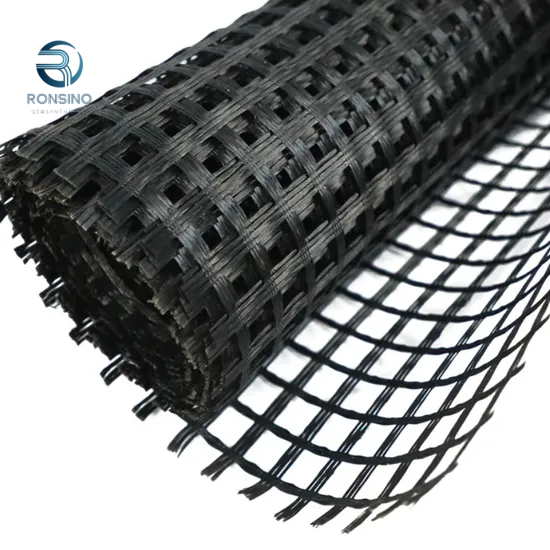
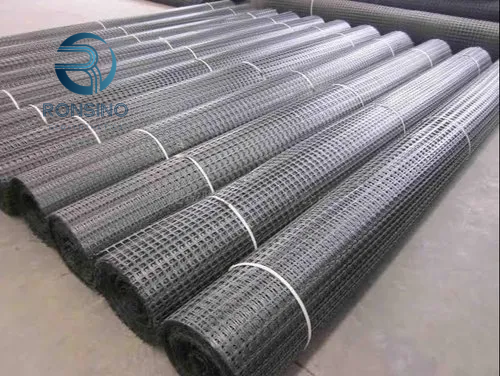
A geogrid is a polymer - based reinforcement netting that is engineered to stabilize the soil and disperse loads. Usually crafted from high - density polyethylene (HDPE), polypropylene (PP), or polyester (PET), this grid has open holes which enable the aggregates to interlock with one another.
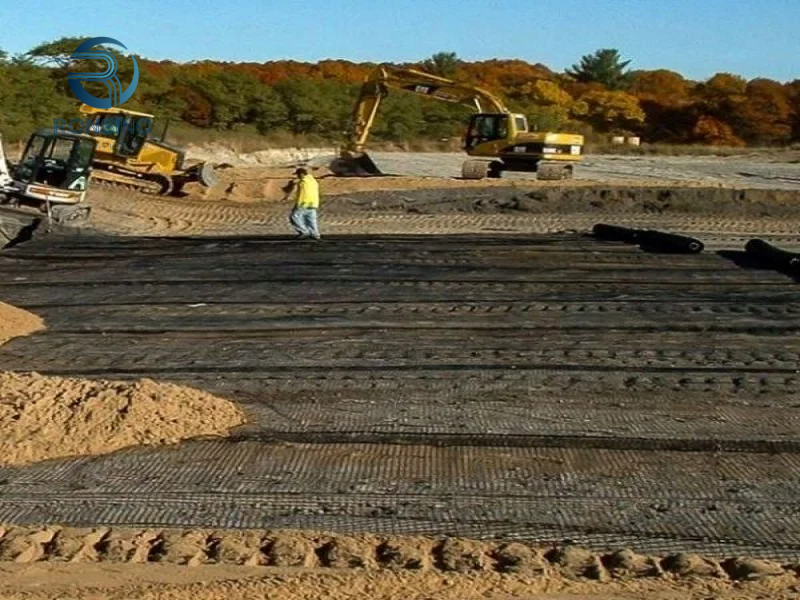
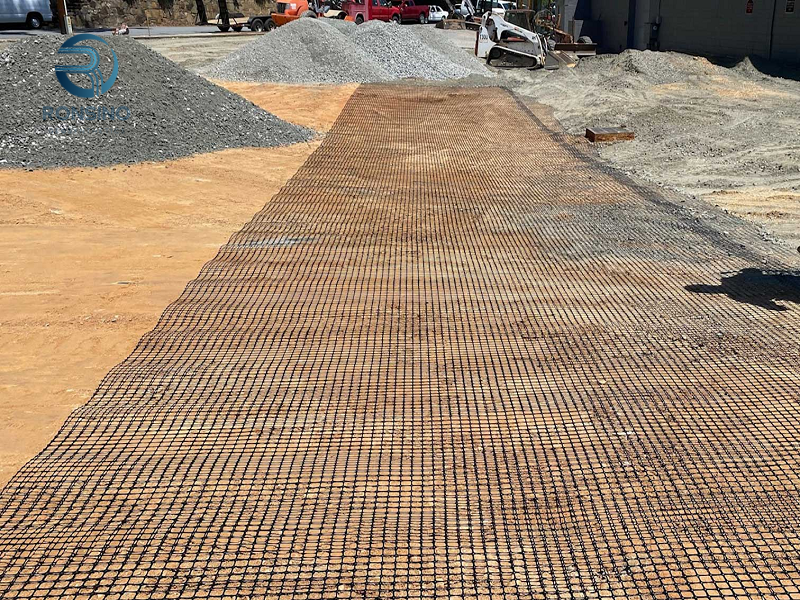
In driveway construction, geogrids are placed under the base material to form a strong structural layer. This reduces the need for deep excavation or over - use of gravel, improves the drainage system, and prevents rut formation when heavy vehicles pass.
Types of Geo Grids for Driveway Use
Unidirectional Geogrids: Reinforce in one direction, ideal for retaining walls or slopes near driveways.
Bidirectional Geogrids: Reinforce in two directions, great for general driveway stabilization and load distribution.
Tridirectional Geogrids: Offer multi - directional strength, maximizing ground stability even with uneven traffic flow.
Market Segments
Residential Driveways & Walkways, Commercial Parking Zones, Access Routes & Industrial Courtyards
Eco - friendly Driveway Systems for Sustainable Landscape Design
Technical: Geo Grid Function for Driveways
Load Spreading & Soil Strengthening: The driveway geo grid creates a restricted framework meshing with foundation material, spreading loads over a wider area. This reduces concentrated stress, rut formation, and foundation movement under heavy loads.
Installation Process
Site Readiness: Level and compress the soil or sub - base for a firm foundation.
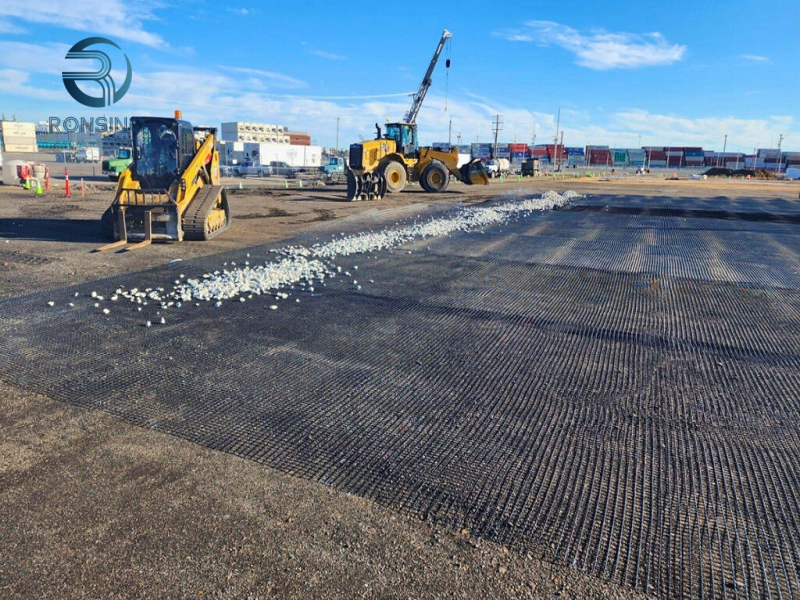
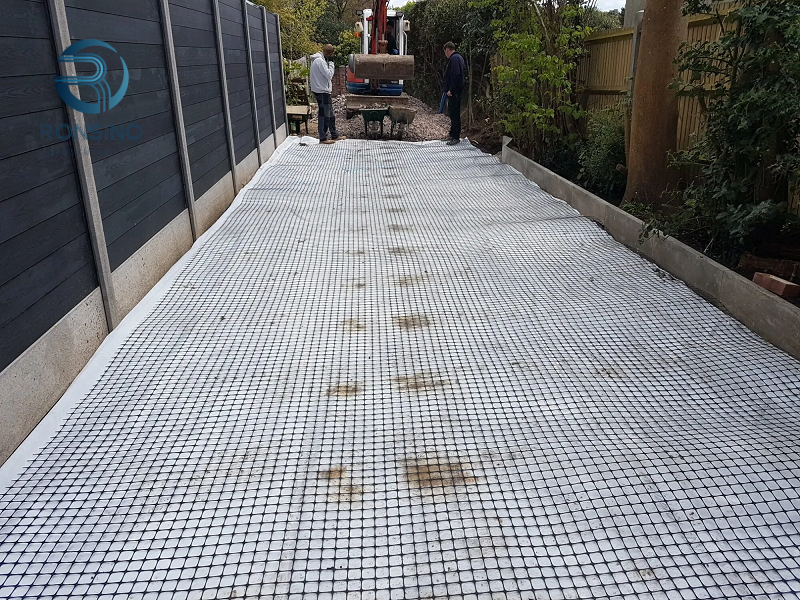
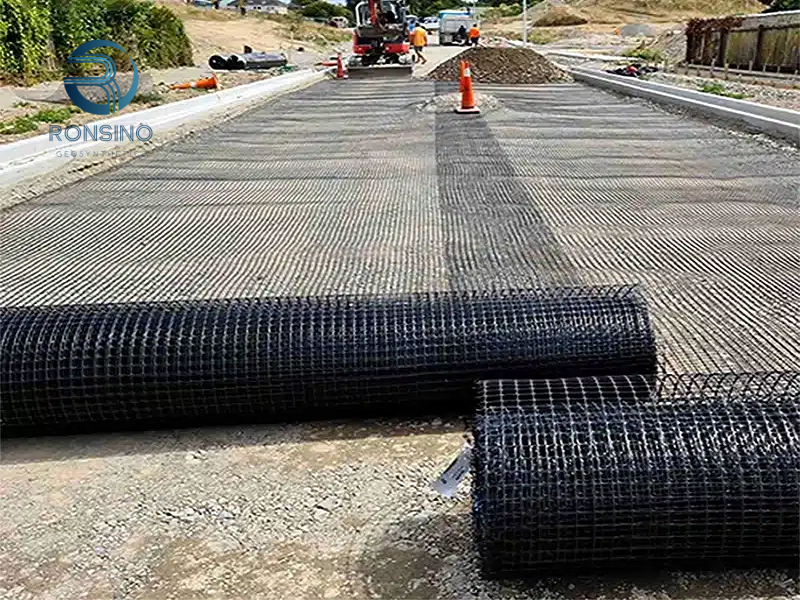
Geo Grid Installation: Unroll geo grid on the prepared surface with proper overlap at connection points.
Securing the Grid: Use stakes or pins to fasten the grid in place.
Material Filling: Evenly pour crushed stone or gravel into the geo - grid openings.
Surface Compression: Thoroughly compact the filled area for a stable, smooth surface.
Following this process maintains the driveway's structural integrity, enabling it to endure vehicle loads and extreme weather, ensuring long - term durability and functionality.
Material Advantages
Resistance to Chemicals and UV: HDPE and PP can withstand corrosion and environmental degradation. Superior Tensile Strength: Offers excellent reinforcement in both directions for high - level structural support. Water Permeability: Prevents surface water accumulation, reducing soil erosion and freeze - thaw damage.
Sustainability and Its Influence on the Environment
In global eco - friendly construction, driveway geo grids are crucial for curbing carbon emissions and reducing resource use. They allow the use of local aggregates, cutting transport costs and CO₂ emissions.
Geo grids support permeable surface systems, enhancing groundwater recharge and reducing stormwater runoff, vital for sustainable urban design.
Industrial Trends and Breakthroughs
Recycled Polymer Grid: More producers use recycled HDPE for eco - friendly geogrids, cutting waste and promoting sustainable production.
Intelligent Geosynthetics: Sensors in geosynthetics monitor real - time performance, providing data for timely maintenance.
Hybrid Geosynthetic Systems: Combining geogrids with geotextiles or geocells boosts mechanical strength and drainage.
Design Software: Advanced software with simulation tools transforms installation, accurately predicting driveway reinforcement performance.
These innovations will shape next - generation driveway reinforcement systems for high durability and environmental compliance.
Frequently Asked Questions (FAQ)
1. How thick should the base layer be with a geo grid for driveway?
Typically, a 4–6 inch base layer is sufficient when using a geo grid, compared to 8–10 inches required in traditional driveways.
2. Can geo grids support heavy vehicles like trucks or RVs?
Yes. Properly installed driveway geo grids can handle heavy loads, including commercial vehicles, without rutting or surface failure.
3. Are geo grids suitable for permeable or green driveways?
Absolutely. Geo grids work perfectly with permeable aggregates, allowing water infiltration and promoting sustainable drainage systems.
4. How long does a geo grid driveway last?
With correct installation and maintenance, a geo grid-reinforced driveway can last over 25 years, depending on traffic and climate conditions.
Conclusion
In the global trend of sustainable and performance - oriented construction, geogrids for driveways are a revolutionary ground - reinforcement approach. Their strength, cost - effectiveness, and environmental friendliness make them ideal for residential, commercial, and industrial areas.
Geogrids are a proven technology for engineers, contractors, and buyers. They reduce long - term maintenance and enhance driveway stability.
Contact us now for professional geogrid solutions for your projects.